


Box braids are the classic three-strand braid, sectioned off in a neat grid of square parts and made with added hair for length and fullness. They have been worn for decades and remain one of the most popular protective styles in the UK. Each braid hangs free, so you can wear them long or short, up or down, plain or finished with beads and cuffs. This page explains what box braids involve, what they tend to cost here, who they suit and what happens at the appointment, then sends you to braiders near you who do them.
Box braids are individual braids built from your own hair plus synthetic or human braiding hair, parted into the square sections that give them their name. The braider divides the hair into a grid, then braids each section from root to tip with the added hair worked in near the scalp. Traditional box braids start with a small knot at the root; the knotless version skips that knot and feeds the hair in gradually, which is gentler but takes longer.
They are a true protective style. Your natural hair is tucked into the braid and left alone for weeks, which suits people growing their hair out or taking a break from heat and daily styling. Box braids hold up to being tied back, put in a bun, washed and worn through the gym, which is part of why they have stayed popular for so long.
Size ranges from micro and small through medium to jumbo. Smaller braids look neat and last longest but mean a longer appointment and a higher price. Jumbo box braids are quick and light but loosen sooner. Length runs from a short bob to waist-length, and the ends can be left straight, dipped in hot water to seal, or curled. Beads, cuffs and colour are easy to add.
If your edges are fine or you have found braids painful before, knotless is the kinder option. Traditional knotted box braids are a little quicker and can feel more secure at the root, and they are often slightly cheaper. Both give the same long, sectioned look; the choice comes down to comfort, budget and time.
Box braids in the UK usually cost between about £60 and £160, depending mainly on size and length. Short or jumbo braids in synthetic hair sit at the lower end, sometimes from £35 to £50 for a shorter style. Small or knee-length braids, and anything in human hair, run higher, into the £150 to £250 range at busier salons, with London and the bigger cities at the top.
The price is driven by braid size (smaller means more braids and more hours), length, the type and amount of hair, and whether hair is included in the quote. Synthetic braiding hair is cheap, often a few pounds a pack; human hair adds a lot. Home-based and mobile braiders can come in a little lower than commercial premises. Confirm whether hair and any take-down are included before you book.
Box braids suit most textures and are a solid pick if you want a low-effort style you can leave in for six to eight weeks. They are good for growing your hair out, for protecting it over winter or a holiday, and for anyone who wants to stop reaching for heat every morning.
They reward a bit of planning. Smaller sizes look neat for longer but mean a long sit and a higher cost, so think about how much time and budget you have. If your edges are delicate, ask for a medium or larger size and the knotless method to keep tension down. Heavier, very long braids look striking but pull on the scalp, so they are not the best first choice if your hair or edges are already stressed.
If you want something faster or lighter, cornrows or crochet braids are quicker to install. If you mainly want the gentlest option for your hairline, look at knotless braids. Children wear box braids too, usually larger and shorter to keep things comfortable.
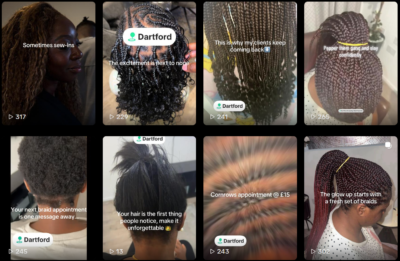

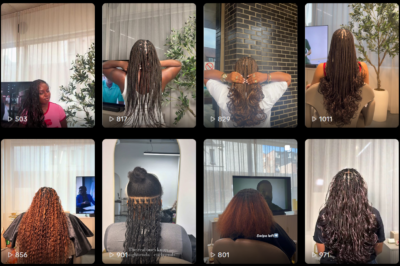


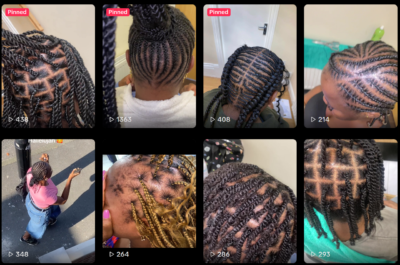
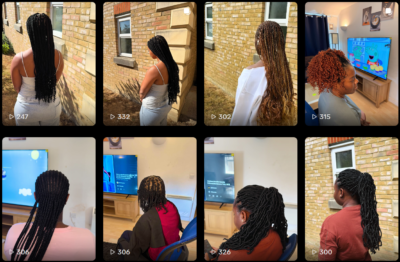
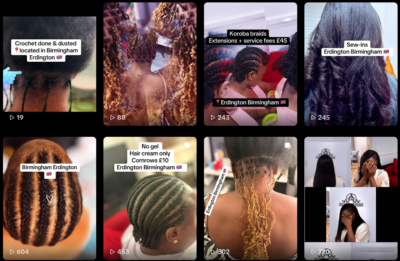
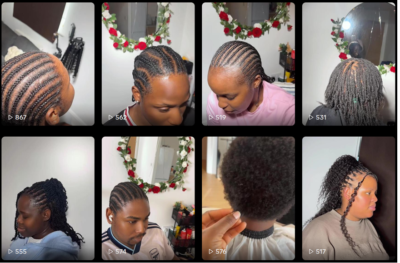
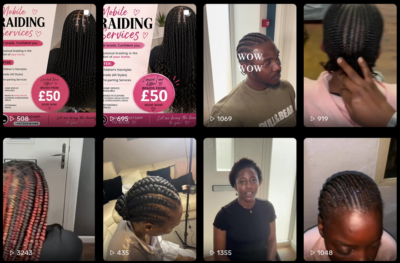

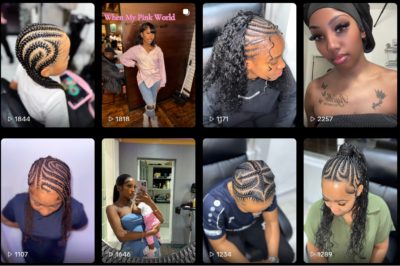
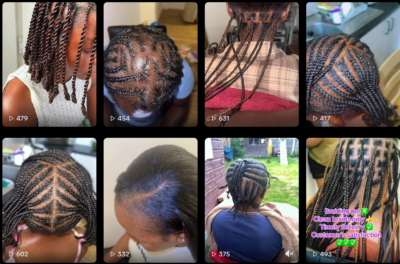
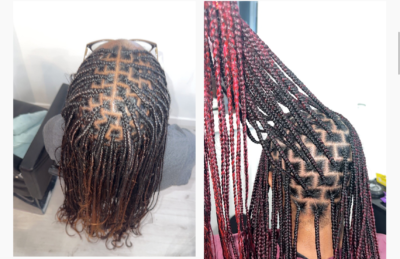
Expect a short consultation first to settle size, length, colour and finish, and to agree the price and how many packs of hair to buy. Turn up with clean, blow-dried, detangled hair unless prep is part of the service. Stretched hair is quicker to part and braid, which keeps the appointment moving.
Box braids take time. A small full head can be six to eight hours, medium roughly four to six, and jumbo two to four. Eat first, bring something to watch or listen to, and say something the moment a braid feels too tight, especially around the hairline and nape. Comfortable tension now saves sore edges later.
That first night, wrap your hair in a satin or silk scarf or sleep on a satin pillowcase to stop frizz. After that, oil the scalp lightly, wash every two to three weeks with diluted shampoo and let them dry fully, and re-tie at night. Most people get six to eight weeks out of box braids. Book your take-down rather than leaving them in past the point where the roots have grown out, which strains your natural hair.
Get found by clients actively searching for what you do.