


Cornrows are braids made flat to the scalp, plaited in neat rows that can run straight back or follow almost any pattern. They are one of the oldest braided styles and one of the most practical, worn on their own, as the base for a wig or sew-in, or as part of bigger braided looks. People also search for them as stitch braids, feed-in braids or straight backs. This page covers what cornrows involve, what they cost in the UK, who they suit and what to expect, then points you to braiders near you.
Cornrows are a flat braid worked close to the scalp. The braider takes a row of hair and plaits it underhand, adding small amounts of hair from each side as they go, so the braid sits raised against the head and follows the line of the parting. They can be plain straight-backs, or arranged into curved patterns, geometric designs and partings. Added hair is optional: with your own hair only they are quick and light, and with extension hair fed in they look fuller and last longer.
Several names point at the same technique. Stitch braids are cornrows parted so cleanly that each row looks like a line of stitches. Feed-in braids, or feeder braids, are cornrows where extension hair is added gradually for a natural start at the hairline and more length at the ends. Straight backs are simple cornrows running from the front of the head to the nape.
Cornrows work as a finished style in their own right and as a foundation. Lots of people wear them under wigs, sew-in weaves and crochet braids because they give a flat, even base. On their own they are a strong choice for sport, for keeping hair tidy through a busy week, and for men and boys, where short cornrows and straight-backs are one of the most-requested cuts.
Because the braid follows the parting, cornrows can be laid into almost any pattern: side-swept, curved, zig-zag, or a detailed design across the whole head. Simple straight-backs are quick and cheap; detailed designs and feed-in work take longer and cost more, but they last better and photograph well.
Cornrows have the widest price range of any braided style, because so much depends on the design. Simple straight-backs in your own hair often start around £20 to £40. Feed-in cornrows, stitch braids and detailed designs usually run £50 to £100, and large or elaborate patterns can go higher. London and the bigger cities sit at the top of each range.
What moves the price: the number of rows, how detailed the pattern is, whether extension hair is fed in, and the length. More rows and finer parting mean more time in the chair. Adding hair raises both the time and the cost of materials, though synthetic braiding hair itself is only a few pounds a pack. A wig or weave base in plain cornrows is usually at the cheaper end. Check whether hair is included before you book.
Cornrows suit almost everyone and almost every occasion. They are a good pick if you want something quick, tidy and low-maintenance, if you play sport or work somewhere hair needs to be off your face, or if you want a flat base for a wig, weave or crochet style. They are also one of the most popular choices for men and boys, where straight-backs and simple patterns are quick to do and easy to keep.
Feed-in and stitch braids are the choice if you want the cornrow look to last longer and hold a crisp pattern. Plain cornrows in your own hair are the budget-friendly, fastest option, and they are gentle as long as the braider does not take them too tight at the hairline. If you have very short hair, cornrows can be harder to grip, so mention your length when you book.
If you want length or free-hanging braids rather than flat ones, box braids or knotless braids are the better fit. For a quick change of texture, crochet braids sit on a cornrow base.
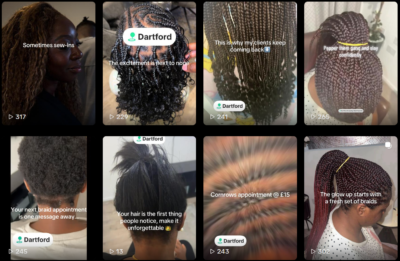

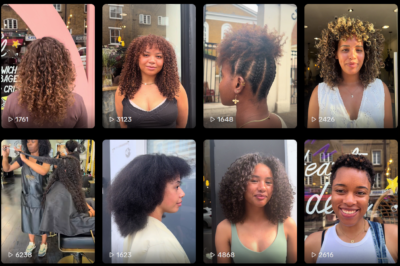
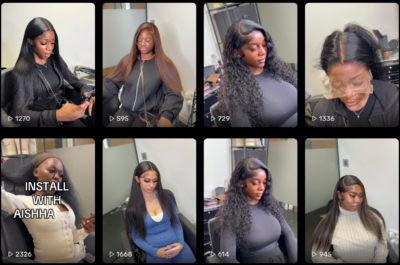
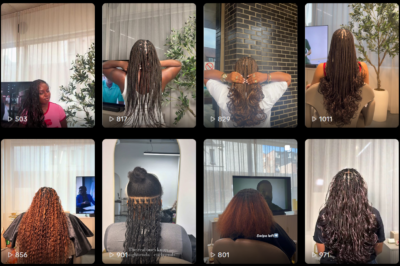


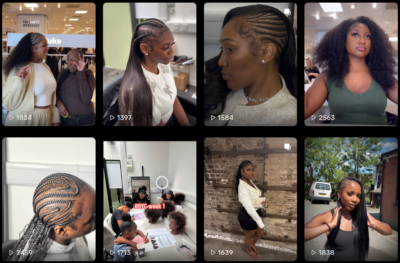
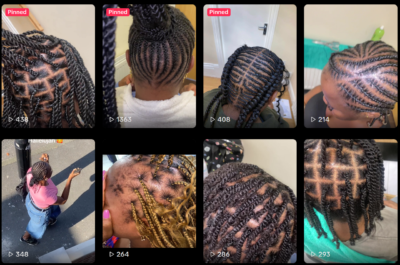
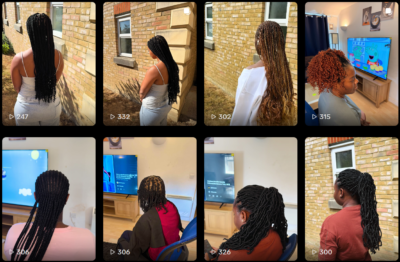
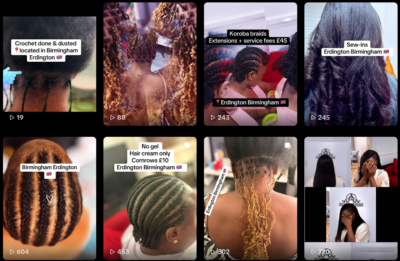
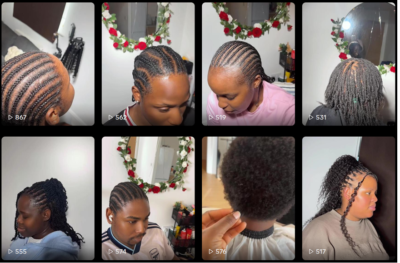
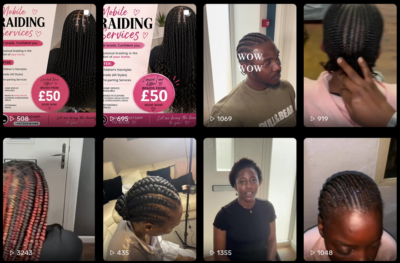
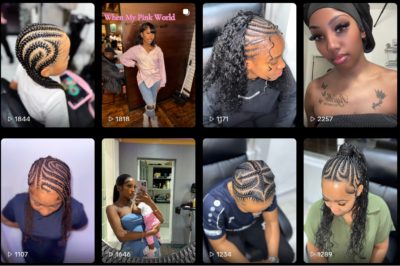
Cornrows are usually a shorter appointment than other braided styles, so the consultation matters: bring a photo of the pattern you want so the braider can map the partings and tell you whether it needs added hair. Come with clean, blow-dried, detangled hair unless prep is included.
Timing depends entirely on the design. Simple straight-backs can take under an hour to about two hours. Feed-in cornrows, stitch braids and detailed patterns take longer, often two to four hours. As with any braid, flag tightness early, particularly along the hairline, where cornrows pull most.
Looking after them is simple. A satin scarf or durag at night keeps the rows neat and stops frizz, and it is the single biggest thing that makes them last. Light oil on the scalp between washes is enough. Plain cornrows tend to last two to four weeks before they get fuzzy; feed-in and stitch braids hold up for four to six weeks. Take them down once the pattern has grown out rather than leaving them to matte at the roots.
Get found by clients actively searching for what you do.